With the end of Daylight Savings Time, sunset will occur before 5pm for most of the remainder of the year. This means the majority of commuters will be traveling home in the dark.
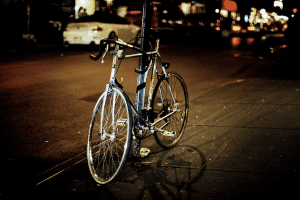
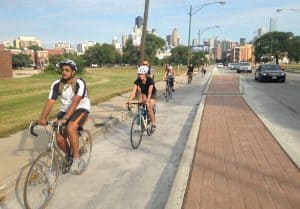
When biking after dark, especially during peak commute hours, it’s important to be both highly visible and able to clearly see your surroundings. Along those lines, here are some tips to help keep you safe:
Lights
Minimum Requirements: Front White Light and Rear Red Light or Reflector
By California law, if you’re biking after dark you must have a white light on the front of your bike and a red light or reflector on the rear of your bike. The front light needs to be clearly visible 300 feet in front of and to the sides of the cyclist.
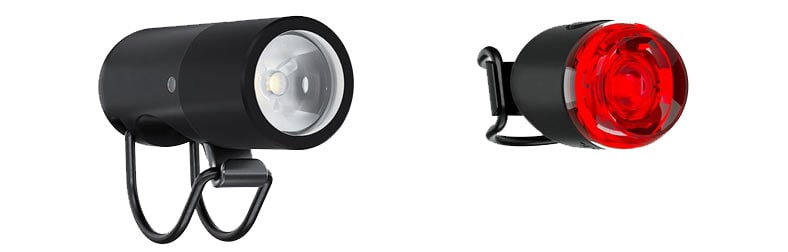
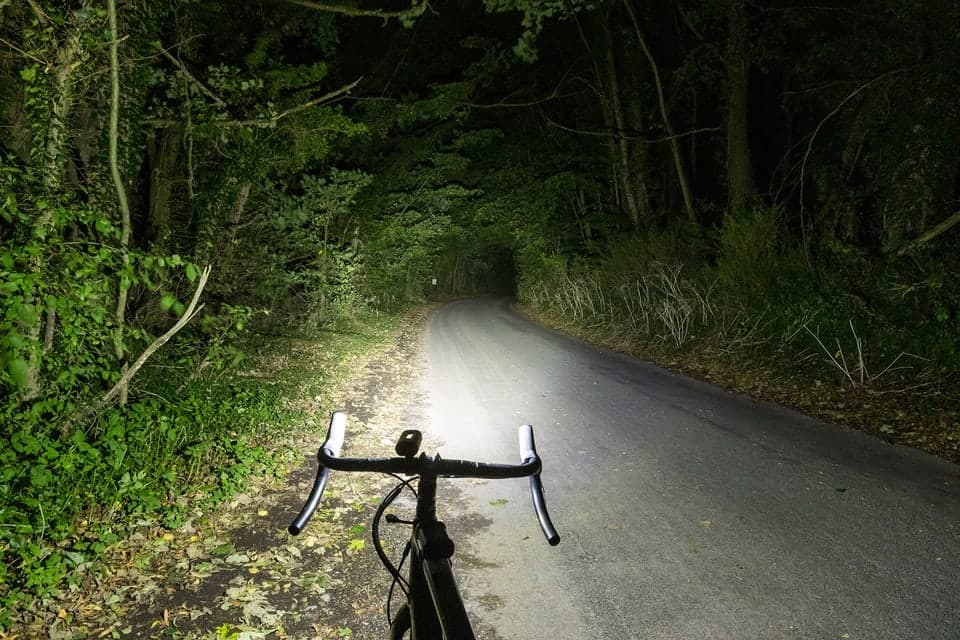
If Riding Unlit or Poorly Lit Roads, Choose a Light That Illuminates the Road
Where a low-power front light might work to announce your presence on well-lit roads, on poorly lit or unlit roads you’ll need a light that can show you the road ahead. You’ll want to consider a light with an ouput of 400 to 800 lumens. That way you can see the road up ahead, identify obstacles and hazards, and let oncoming vehicles know you’re on the road. You’ll also want to consider using a red rear light, instead of just a reflector, in these conditions.
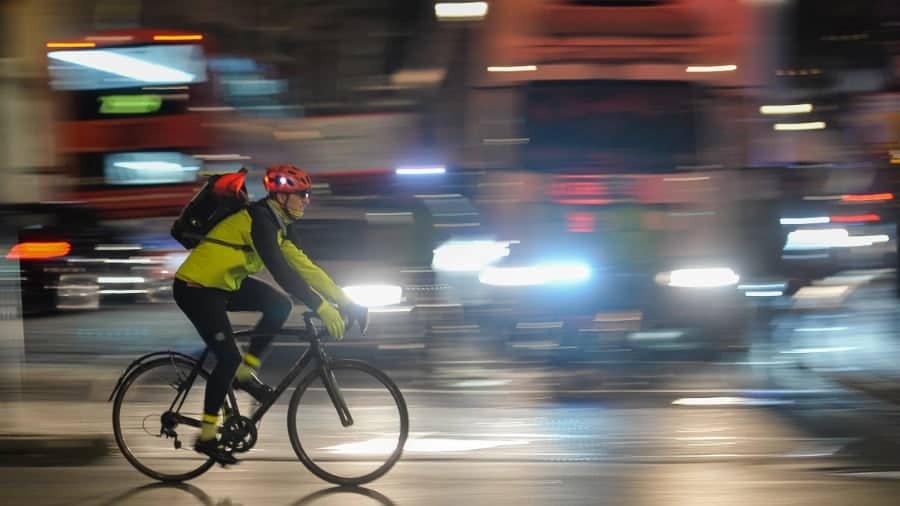
Wear Bright Clothing and Reflectives to Increase Visibility
For biking after dark, Hi-Vis yellow and green are the best colors for visibility. Steer clear of dark colors. Reflective details on clothing can boost visibility in general, as well as provide side-visibility, which lights alone often can’t. Reflective piping on gloves can assist others in seeing you and your hand signals.
Stay in View and Ride Predictably
Drivers are generally looking ahead, so when cycling at night you want to make sure you’re in their field of vision:
- On roads where there is no bike lane, be sure to make use of the full lane, so that you are clearly visible to the motorists behind you.
- Don’t make sudden turns without signaling properly.
- Come to complete stops when required.
Additional Tips
Get additional tips on biking after dark from REI.

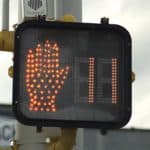 Pedestrian Crossing Signals (AB 390): For crosswalk signals which include a countdown timer, it is now legal for a pedestrian to enter the crosswalk after the countdown has started, as long as they can make it across by the time the counter reaches zero. It is still illegal to begin crossing at a traditional pedestrian signal (i.e. no countdown timer) after it has begun flashing.
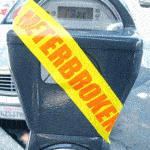 No Parking Citations at Broken Meters (AB 1625): You cannot be restricted from or ticketed for parking at a broken meter. However, you must still observe the posted time limit for parking.
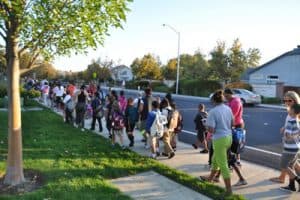 It’s back-to-school time! If you live within walking distance of your child’s school, you might consider forming a walking school bus.
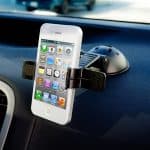 Cell Phone (Electronic Wireless Device) Usage: It will be illegal to hold a cell phone (or other wireless electronic device) while operating a motor vehicle. Phones and devices will need to be mounted on the dashboard or windshield, and may only be operated by hand when activating or deactivating a feature or function can be done with “a single swipe or tap of the driver’s finger” (
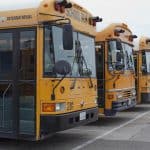 School Bus Safety: All school buses, school pupil activity buses, youth buses & child care motor vehicles used to transport school-age children will be required to have a “child safety alert system”. Since this device requires the driver to contact or scan it before leaving the vehicle, it prompts them to verify that all children have disembarked. Schools will also be required to have procedures in place to, “ensure that a pupil is not left unattended on a school bus.” (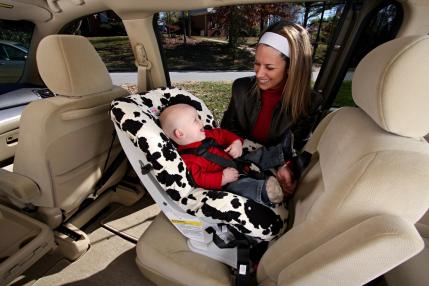
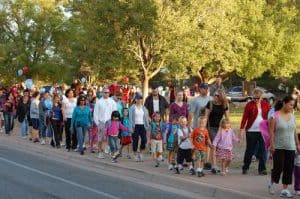
 International Walk to School Day is October 5. This means that in October, cities across the US (and throughout the world) will hold Walk to School events to encourage students and their families to get to school on foot and experience the benefits and joys of walking in their community.
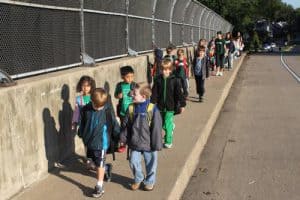 With more students walking to and from school with this national event, motorists are reminded to drive with extra care, stay alert for children crossing the road, and be especially aware of school zone speed limits.
 Start Smart, led by the California Highway Patrol, is designed to educate teens and their parents on common high-risk behaviors of new motorists & how to prevent distracted driving. The event will not only help new drivers stay safe behind the wheel, it will also explain the Rules of the Road regarding cyclists and present strategies to help your teen keep vulnerable road users, like pedestrians and cyclists, safe as well.
 Green bike lanes have landed in Walnut Creek just in time for Bike to Work Day! The bike lane on Olympic Blvd has been painted green on the segment between N. California and the I-680 on ramp.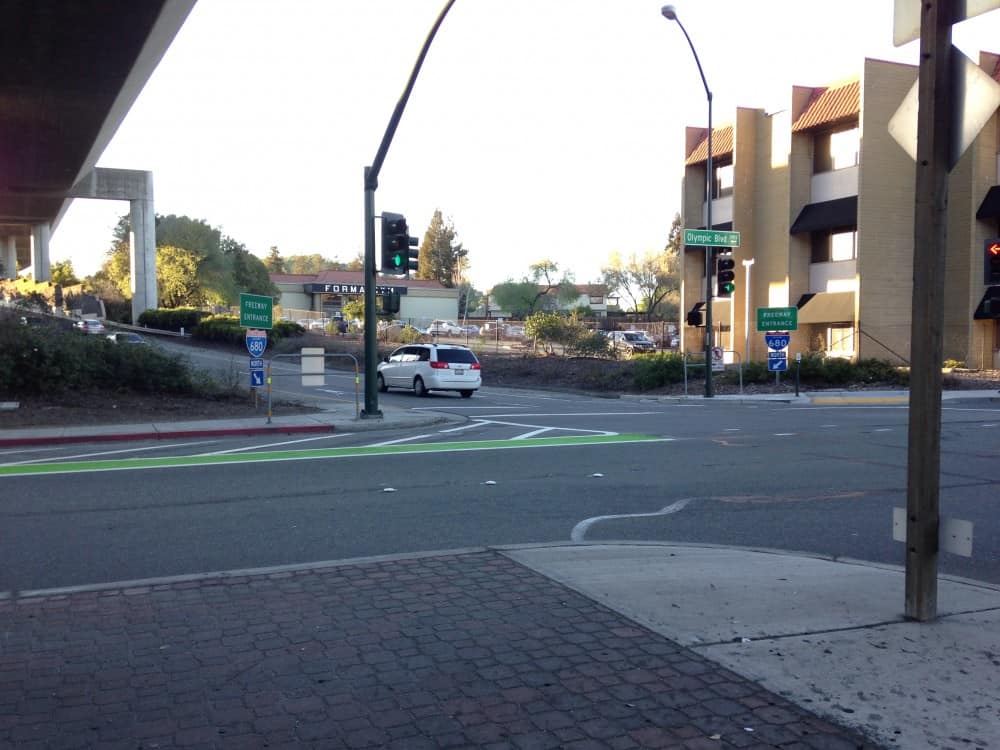
 October 7
 October 21
 Rancho Medanos Junior High School parents & students, it’s time to get ready to Bike and Roll to School!
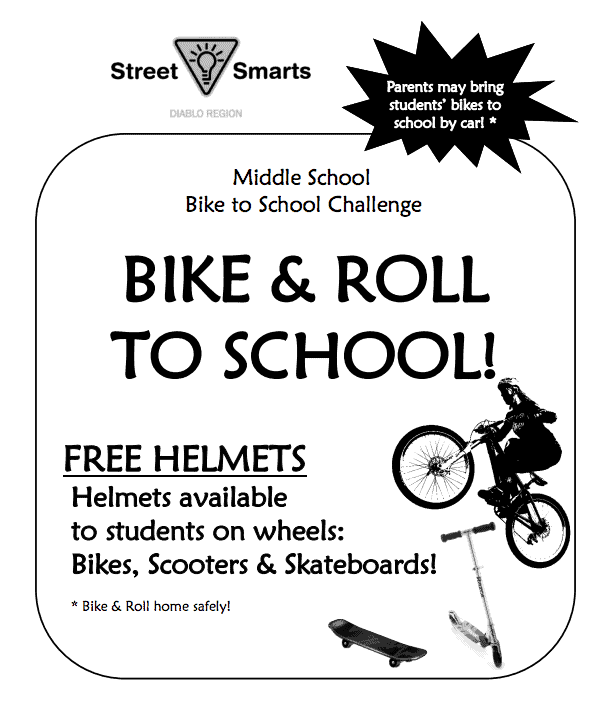
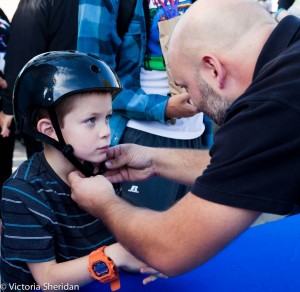 To celebrate the challenge, Street Smarts Diablo will have some free helmets on hand to provide to Rancho Medanos Junior High School students who arrive to school with wheels and need a properly fitting helmet. Parents are welcome to bring students’ bikes to school by car, so that any child starting the day without a helmet can get to school and roll home safely.
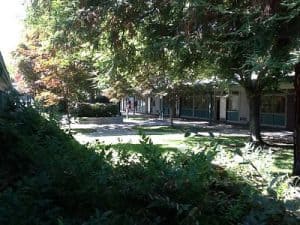 Walnut Creek Intermediate School parents & students, it’s time to get ready to Bike and Roll to School!
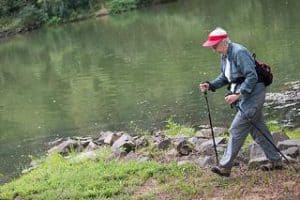 3. STRENGTH & ENDURANCE – Regular exercise helps
 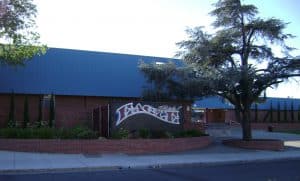 Antioch Middle School parents & students, it’s time to get ready to Bike and Roll to School!
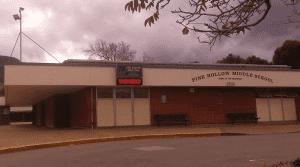 Pine Hollow Middle School parents & students, it’s time to get ready to Bike and Roll to School!
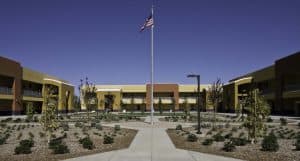 Martin Luther King, Jr. Junior High parents & students, it’s time to get ready to Bike and Roll to School!
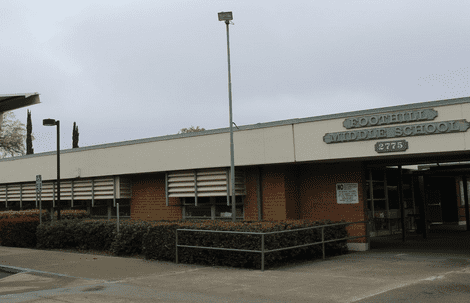 Foothill Middle School parents & students, it’s time to get ready to Bike and Roll to School!